
Psychedelic Mushrooms At A Glance

Psychedelic mushrooms have generated interest for their unique properties. These fungi contain psilocybin, a potent mind-affecting chemical that the body converts into psilocin, which influences the brains chemistry. The result of consuming psilocybin mushrooms can be transformative, with users often reporting auditory distortions and a changed perception of time.
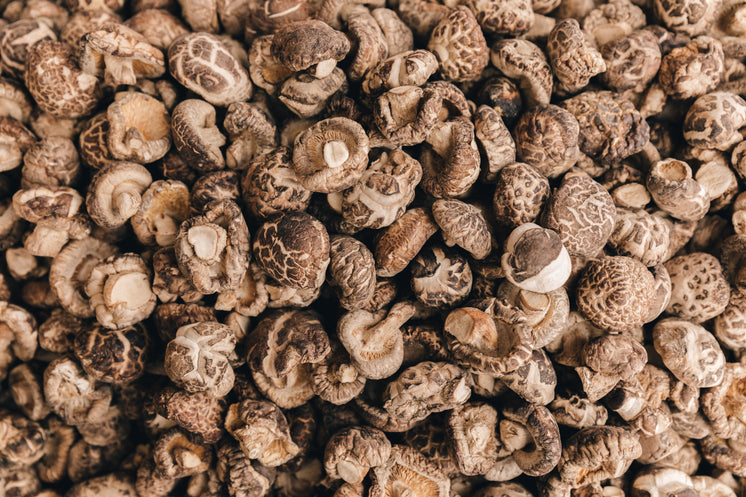 Historically, psilocybin mushrooms have been used in indigenous traditions by various cultures, especially in Mesoamerica. They were seen as sacred tools that provided access to hidden realms. Their use was often overseen by experienced users to commune with spirits.
In todays society, psilocybin mushrooms have seen a comeback due to mental health studies. Numerous studies have shown that psilocybin may help treat PTSD, especially when used in a guided session. Patients have reported better mental clarity after experiencing psilocybin-assisted therapy.
One of the reasons psilocybin mushrooms are gaining traction is because of their potential for low toxicity. Unlike many pharmaceuticals, they do not create dependence, which makes them a promising option for some users. Additionally, their effects usually wear off within a few hours, allowing for a manageable and intense experience.
The experiences from psilocybin mushrooms can vary widely based on mental state. A small dose, often called a microdose, might result in slight improvements, while a larger dose you can look here cause emotional breakthroughs. For some, the experience can be euphoric, while for others it may be overwhelming, especially without a calm setting.
As with any substance, psilocybin mushrooms come with things to consider. Taking too much or consuming them in an unsafe environment can lead to paranoia, and not everyone reacts to them the same way. Mental health history and current emotional state play a major factor in determining the experience. It is often advised to use them under supervision when exploring psilocybin mushrooms for the first time.
Another point of interest around psilocybin mushrooms is their legal status. In many places, they are still considered banned, although there is growing momentum toward policy changes. Some cities and states have already begun to allow guided use of psilocybin mushrooms, recognizing their healing properties.
Producing psilocybin mushrooms is also becoming more common, especially among home growers. With basic equipment and knowledge, many people are able to safely grow mushrooms, which helps ensure safety in their use. This trend has led to more DIY guides focused on responsible use.
In addition to their personal use, psilocybin mushrooms are also inspiring art. Many users report a stronger sense of unity after their experiences. This is one reason why psilocybin is not only being studied by scientists, but also valued by creative thinkers around the world.
Despite growing interest, psilocybin mushrooms remain debated in many circles. There are still myths and misconceptions, often stemming from the War on Drugs. As research continues and public opinion shifts, more people are beginning to view them as a method for growth rather than simply a recreational drug.
Overall, psilocybin mushrooms offer a complex subject for exploration, blending science, spirituality, culture, and consciousness. Whether used for creative exploration, they have the ability to expand the mind. With continued study and responsible use, psilocybin mushrooms may play a positive role in how society approaches self-discovery in the future.